Everyone thinks there's a Rolex waitlist. There isn't. At least not the way most people imagine.
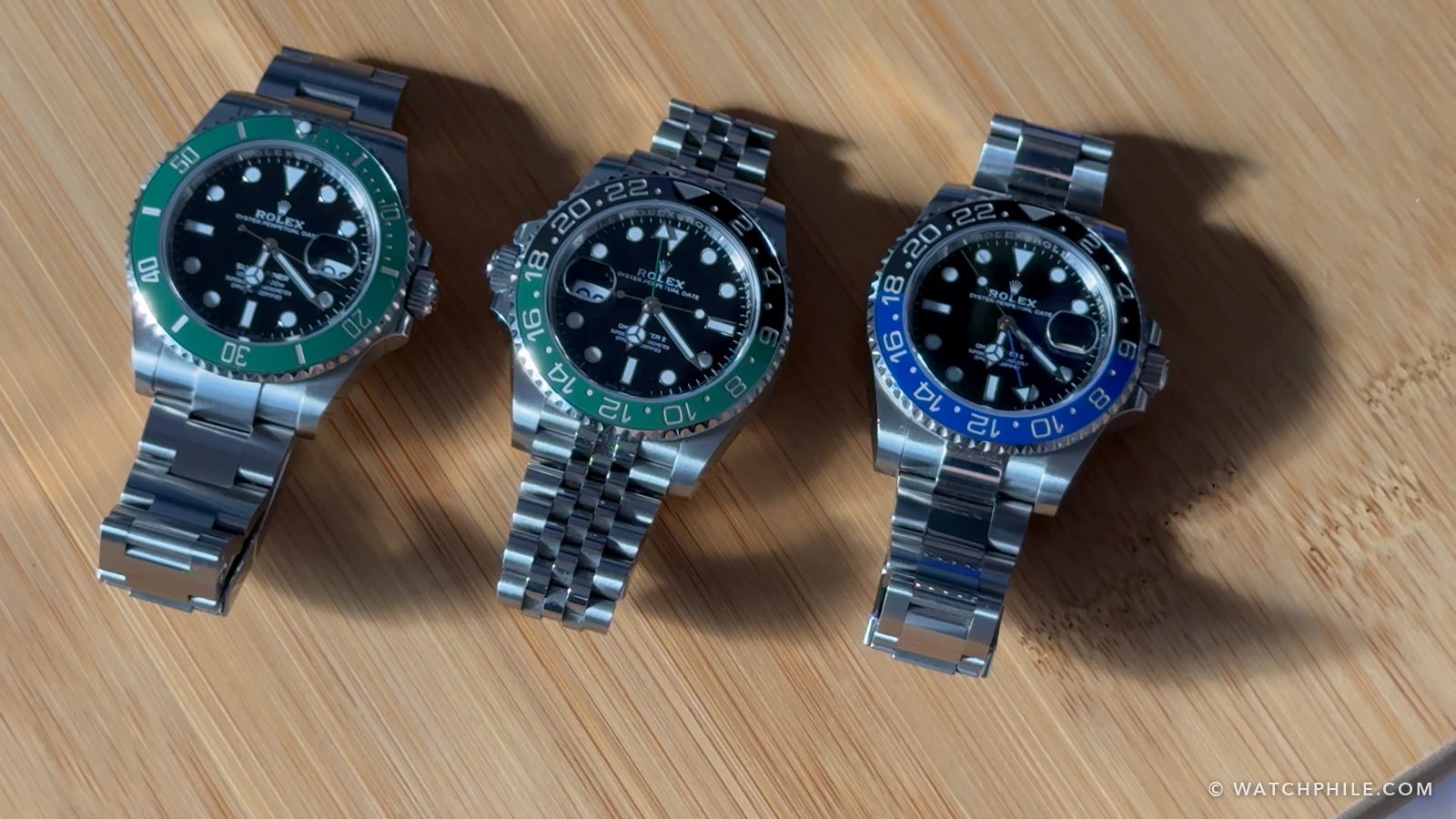
After getting a Daytona Panda, two GMTs, a Submariner, an Oyster Perpetual, and more at retail, I've learned that Rolex allocations aren't about waiting your turn. They're about relationships.
Some people spend $100,000 and never get the call. Others spend almost nothing and walk out with a GMT. It's frustrating. It's confusing. And most of the advice online is either outdated or completely wrong.
After spending more than six years working with the same Authorized Dealer, I finally started to understand how the game is actually played. So if you're trying to get your dream Rolex at retail, here's exactly what I would do.
Here are the four steps to take so you can maximize your odds of getting the call for your dream watches:
- Have a plan and know what you want
- Choose the right Authorized Dealer
- Communicate and be transparent
- Be realistic
Step 1: Have a Plan and Know What You Want
The biggest mistake I see people make is buying watches they don't actually want.
A Rolex isn't a cheap purchase, and building a collection full of watches you're not excited about just to chase another watch usually ends badly.
If you only want one watch, it may be better to just go onto the grey market and find a reputable dealer. But if you want a collection of one or more, I would recommend trying the Authorized Dealer route.
Before you walk into an AD, figure out exactly what you're after. Do you want a Submariner? A Datejust? A GMT? A Daytona? An Oyster Perpetual?
Whatever it is, be honest with yourself and stick to your plan. And know that tastes change. You may love a watch one year and fall out of love with it the next.
Don't Buy Watches You Don't Want
If you love multiple watches, great. But don't buy something simply because you think it's required to get allocated something else later.
I never bought a watch I didn't want. And you shouldn't have to. These are big purchases and not something to take lightly.
A Longer Wish List Gets the Call Faster
That said, the more watches you like, the better the chance you'll get the call faster. If you go and put your name down for just a Daytona, you may never get the call. If you add a Submariner and GMT, you probably have more of a chance for one of those to be your first watch.
Other watches like a Datejust should be an easy watch to get as a first allocation, without any spend on other jewelry or other watch brands.
Have a Story
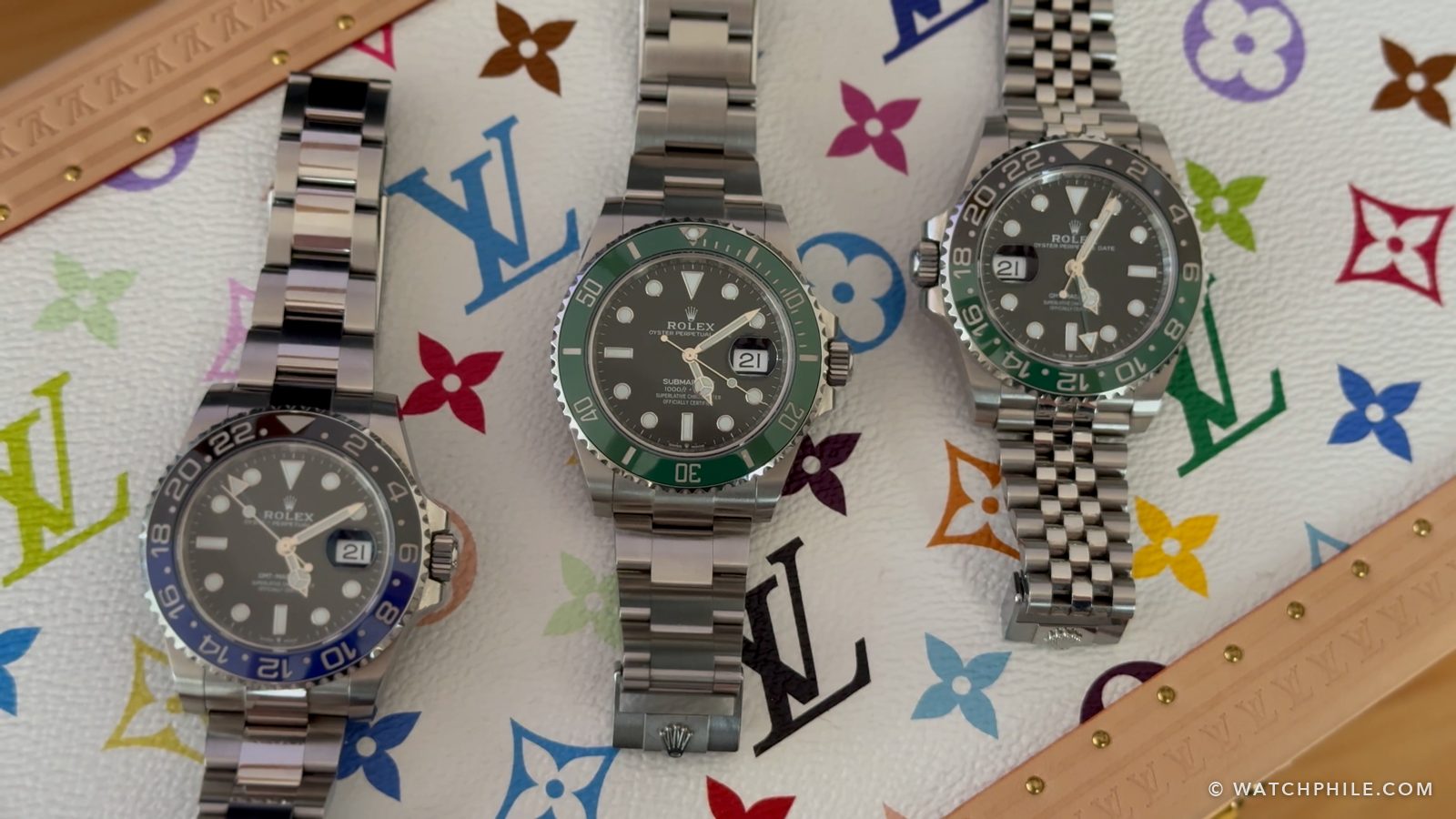
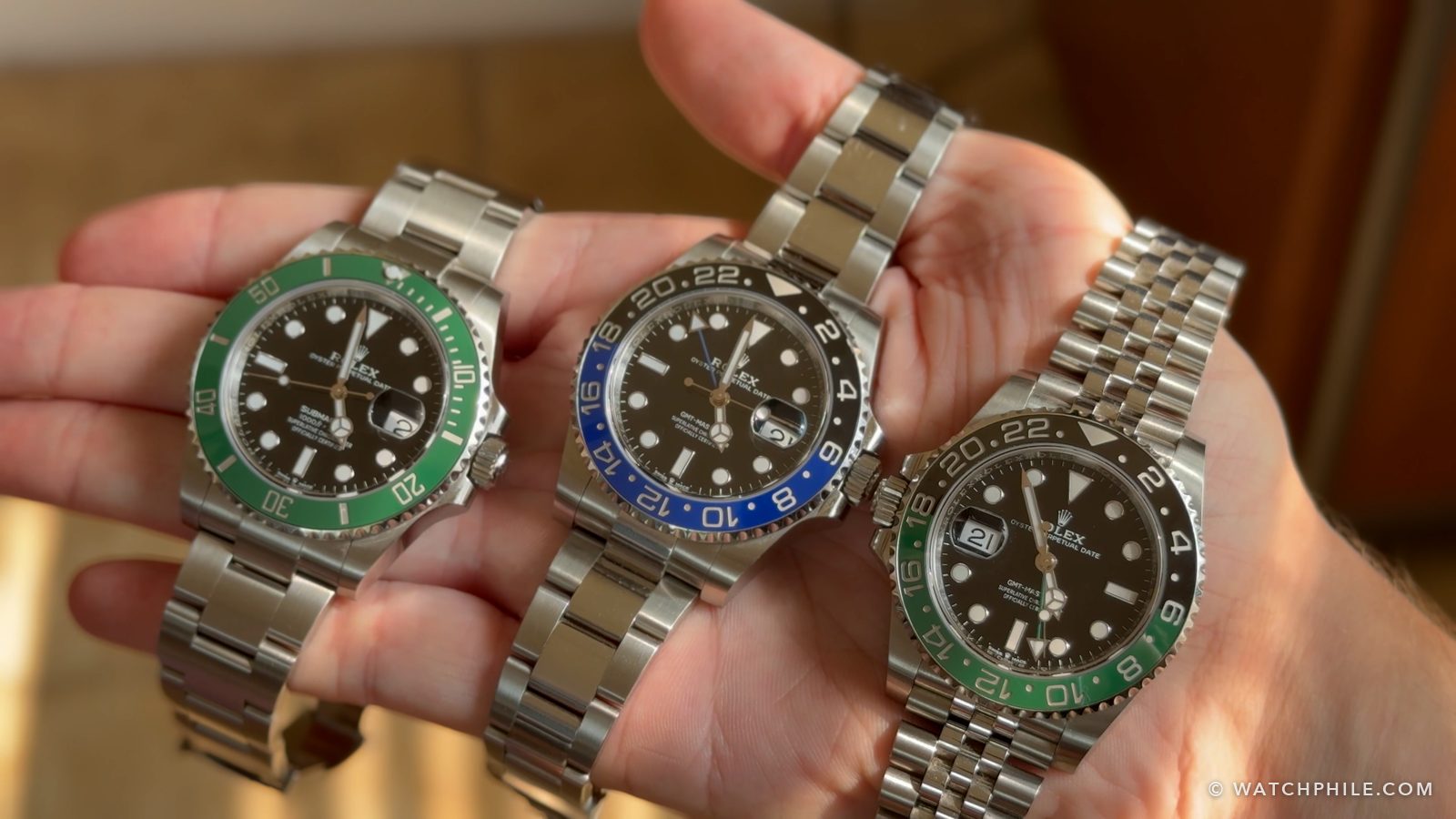
One thing that helped me was having a story behind the watches I was buying. Most of the pieces in my collection marked a milestone, accomplishment, or important moment in my life. When you share that with your sales associate, you're no longer just another name on a list.
At the end of the day, ADs want to sell watches to people who are excited about them and will remember the moment forever, not someone who is simply chasing the next hot watch or a quick flip.
Step 2: Choose the Right Authorized Dealer
I actually tried both large and small ADs. For me, I had significantly better success with a smaller dealer.
The biggest advantage wasn't necessarily allocations, as the big chain actually received a lot more watches. It was the relationship.
At a smaller AD, it's much easier to work with the same sales associate over and over again. They get to know you, understand your collecting goals, and remember your story.
Do You Need to Bring Gifts?
One common myth is that you need to bring gifts or somehow “bribe” your sales associate. Personally, I never did.
Funny enough, I actually watched someone walk into the store and hand another sales associate a gift while I was there picking up a watch once. I couldn't believe it. That may work for some people, but it was never part of my strategy.
Be friendly. Be yourself. That's usually enough.
Buy Local
I also think buying local matters more than many people realize. Most ADs want to build long-term relationships with customers in their market. If you live in Dallas and are trying to buy from an AD three states away, it's going to be much harder to establish that relationship.
You're not just trying to buy one watch. You're trying to become a customer they'll want to work with for years.
Step 3: Communicate and Be Transparent
Don't just put your name on a list and disappear for three years.
The waitlist is a lie. It usually is whoever your AD thinks of when they get that watch in. They typically talk about it and discuss who that watch should be allocated to.
So, check in periodically.
I texted my sales rep maybe once a month. Just a quick, “Hey, just checking in on this watch.” I'd also stop by occasionally to look at display models and chat for a few minutes.
Questions to Ask Your Sales Associate
Ask questions. Have honest conversations. One of the best things you can ask is:
“Is this piece realistic for me?”
Or:
“What would need to happen before I could be allocated this watch?”
A good sales associate will usually give you an honest answer. Sometimes the answer is encouraging. Sometimes it's not. And sometimes they really don't know. But it's better than guessing.
The people who tend to do best are the ones who communicate consistently without becoming annoying. Stay on their radar, check in periodically, but not too much.
Keep the Relationship Going After You Buy
One thing I'd add is that the relationship shouldn't end when you buy a watch. Stop by for bracelet adjustments. Have them size a new purchase. Bring a watch in for cleaning. Pop in and say hello when you're nearby.
Those interactions keep you top of mind naturally without feeling like you're constantly asking for something.
Step 4: Be Realistic
This is probably the hardest truth to hear.
No AD is giving a stainless steel Daytona Panda to a brand-new customer with zero purchase history. Could it happen? Maybe. But I certainly wouldn't plan on it.
For the most desirable pieces, purchase history matters. Whether that's jewelry, watches, or other purchases depends on the dealer. Every AD operates differently.
My Rolex Purchase History
For me, my journey looked like this:
GMT “Batman” → Submariner “Starbucks” → GMT “Sprite” → Tudor Pelagos FXD → Oyster Perpetual → Tudor → Two-Tone Daytona → Daytona Panda
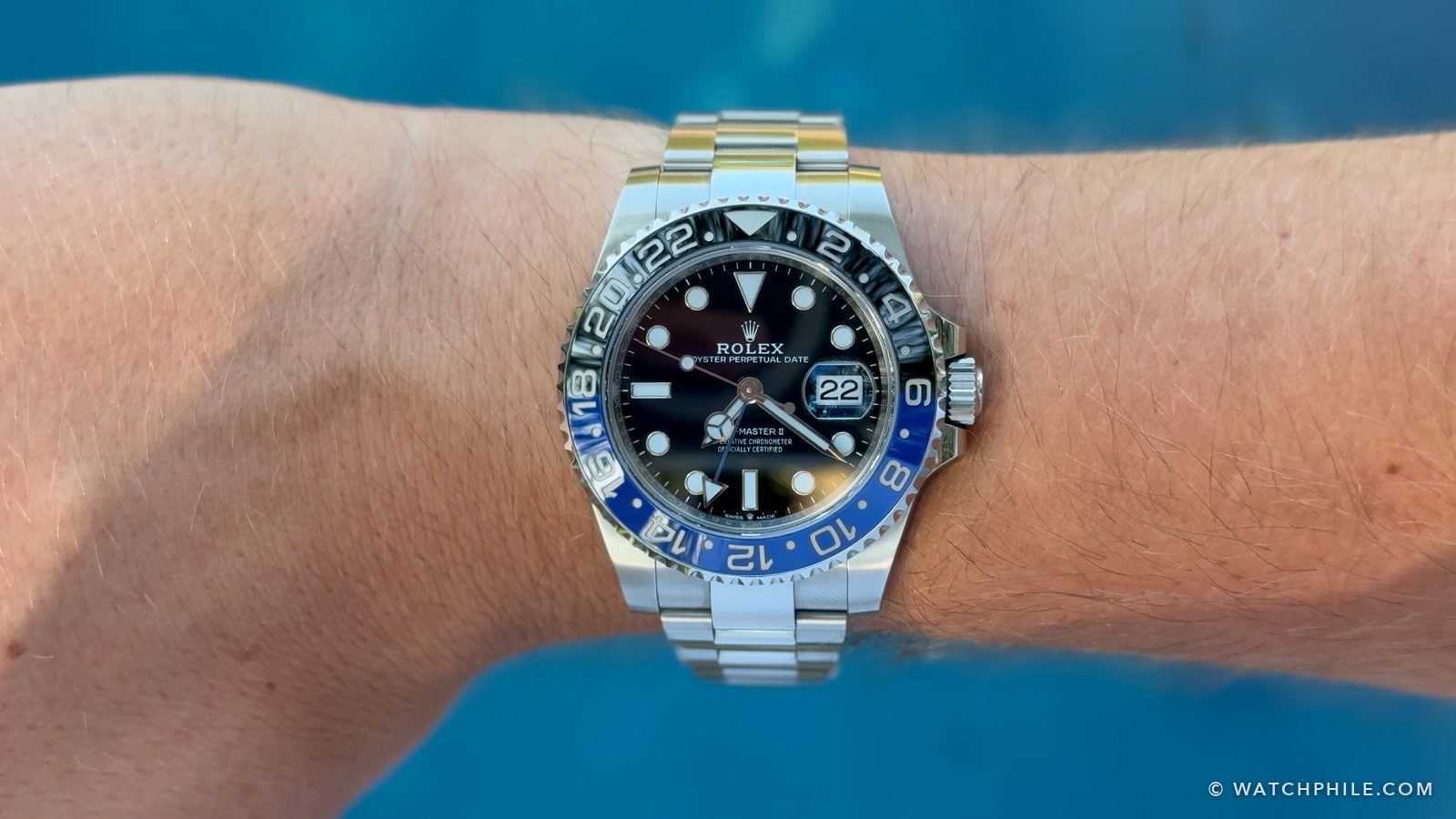
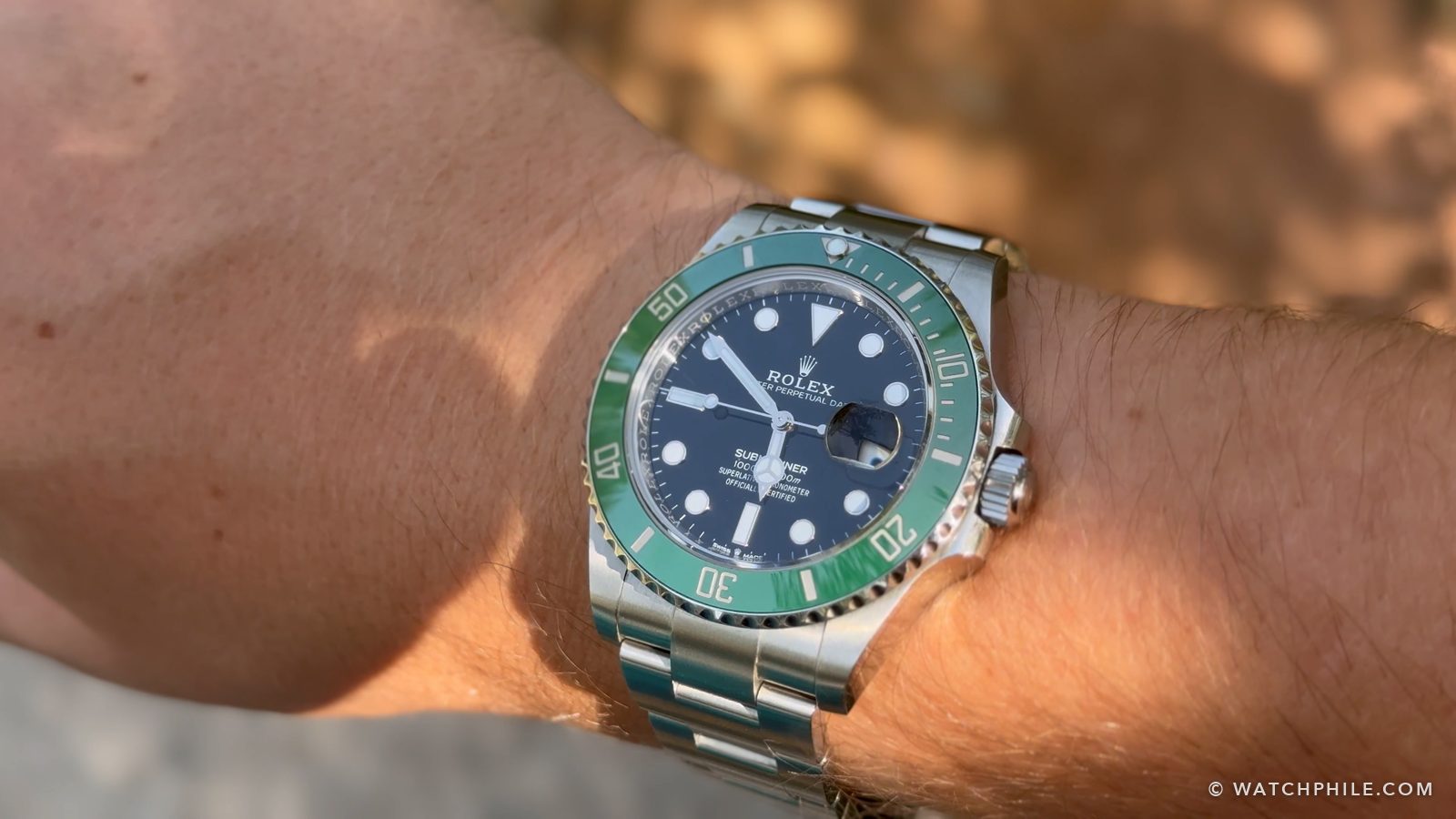
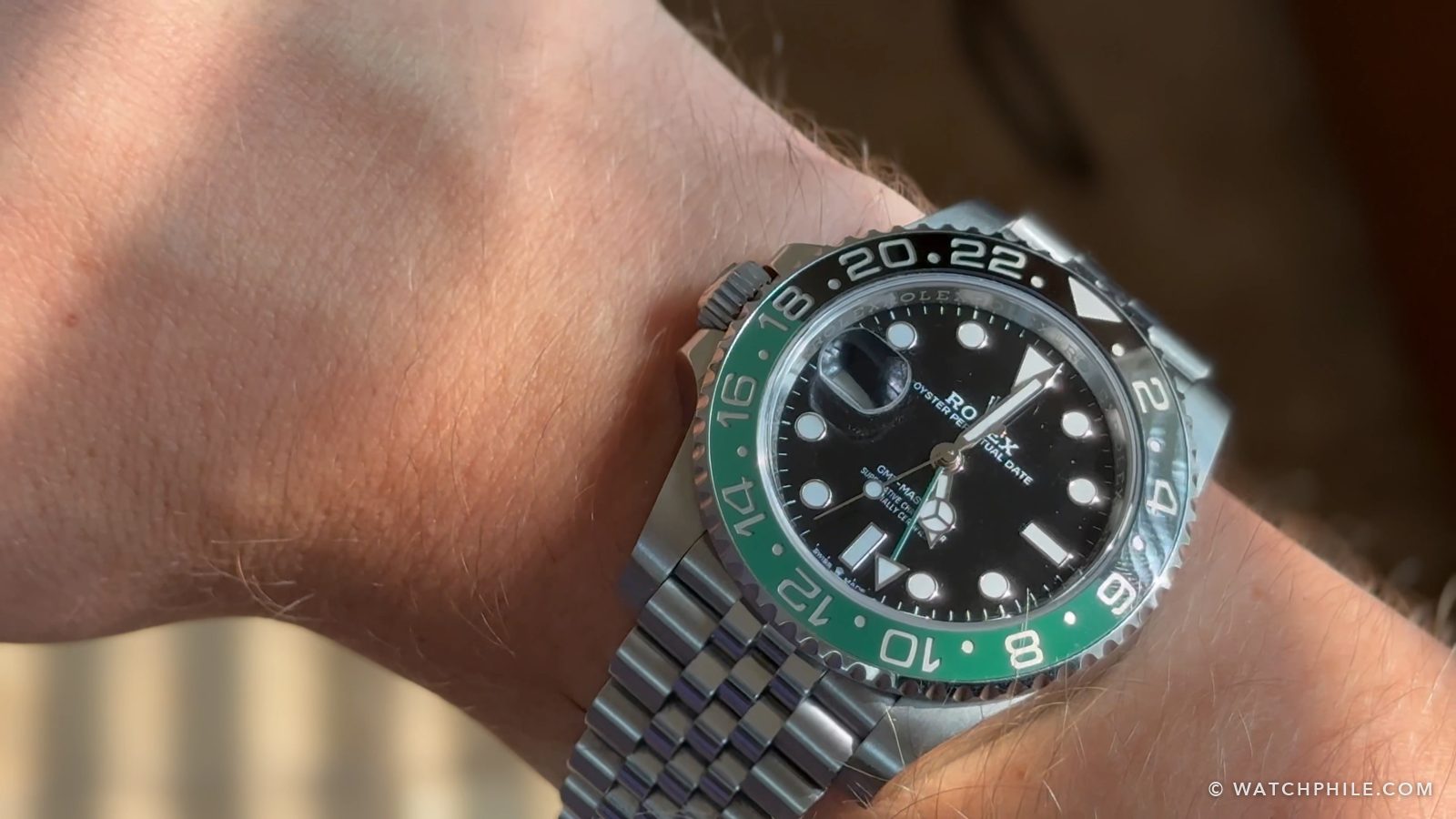
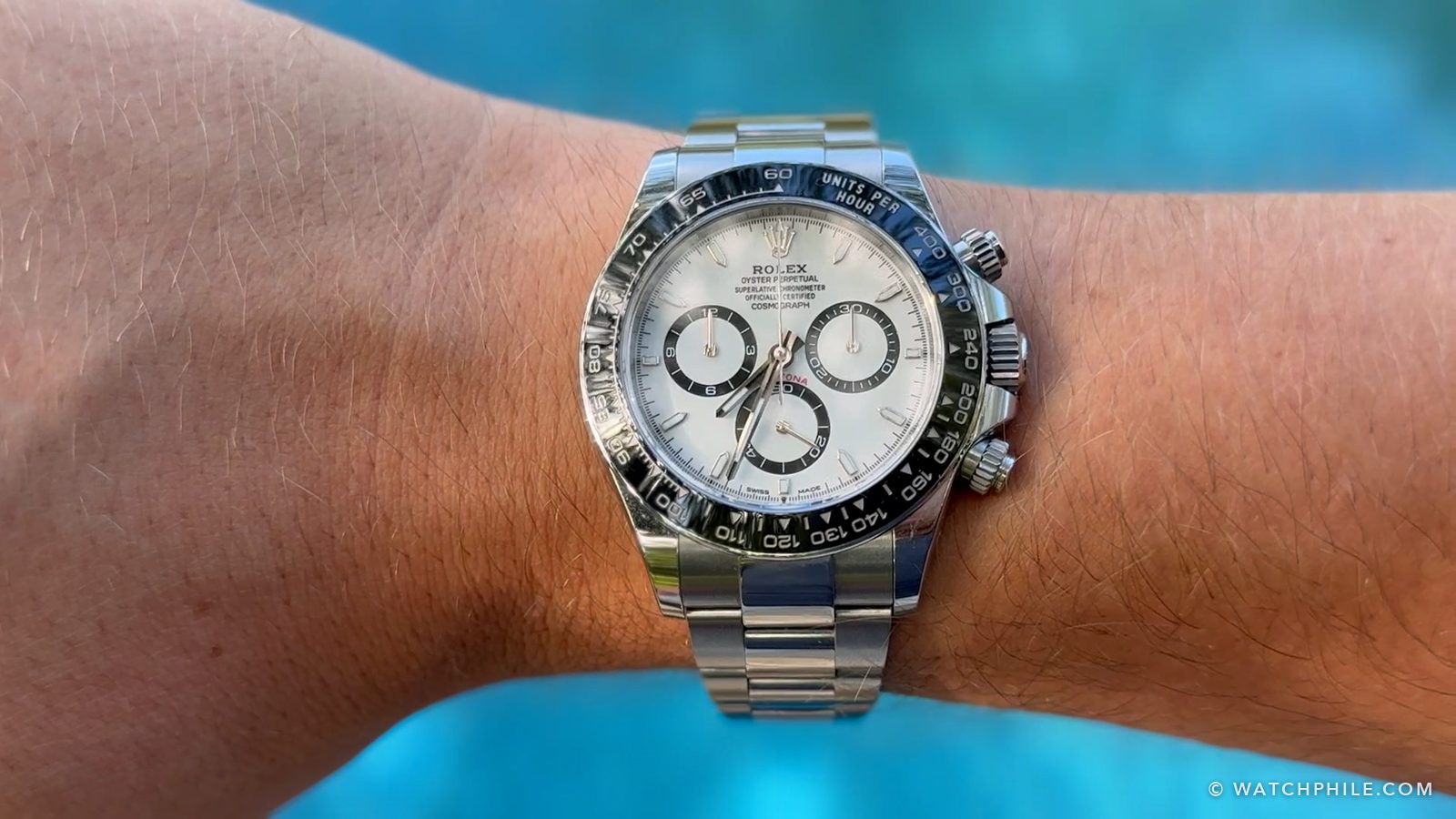
Was every purchase made to get the Panda? No. I wanted each of those watches. I still have them all and they all marked a different accomplishment in my life.
But there's no question that building a history helped establish trust and ultimately positioned me for the allocation. The full timeline, including what I spent, is in my Daytona retail journey.
Where Tudor Fits In
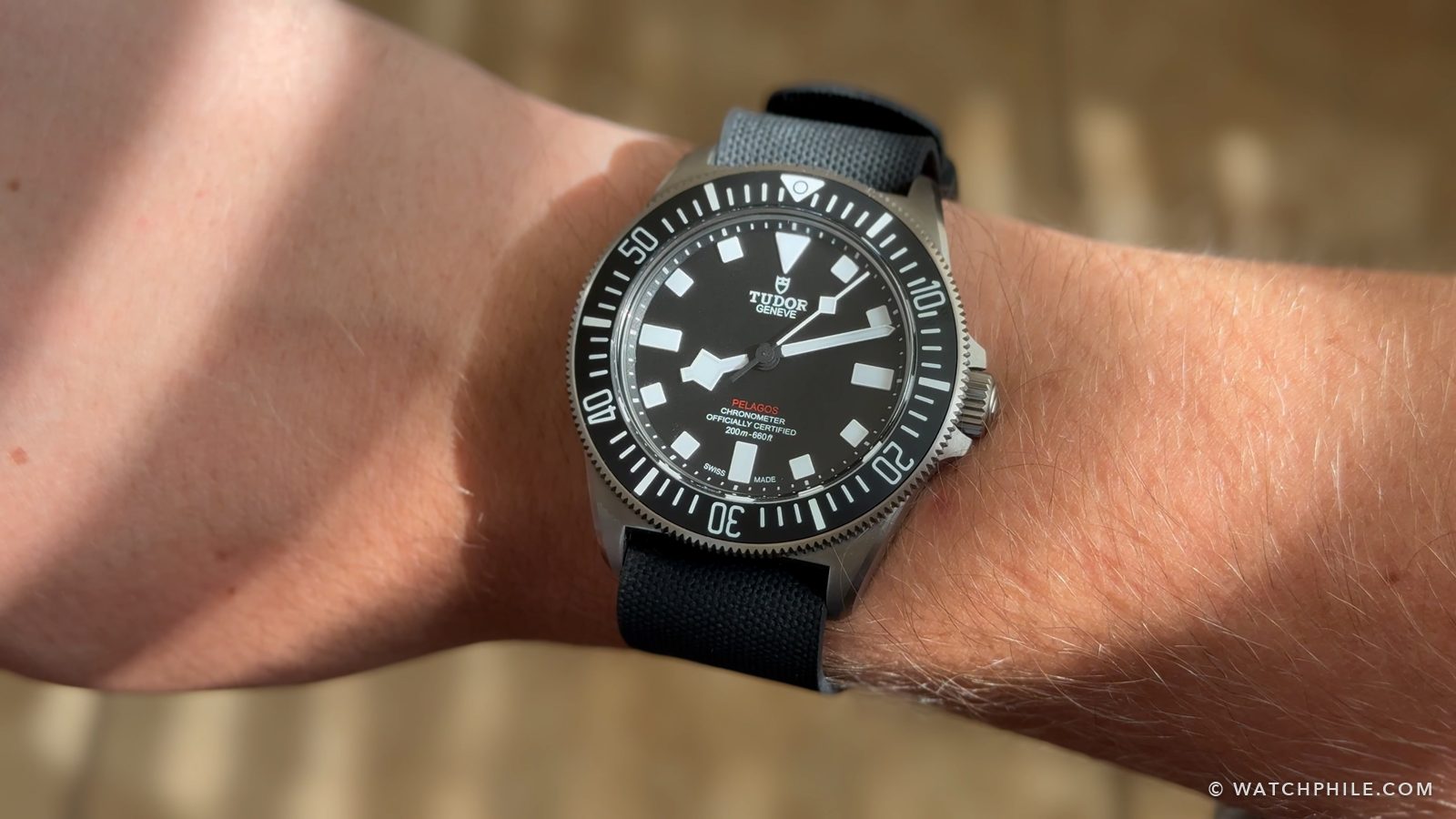
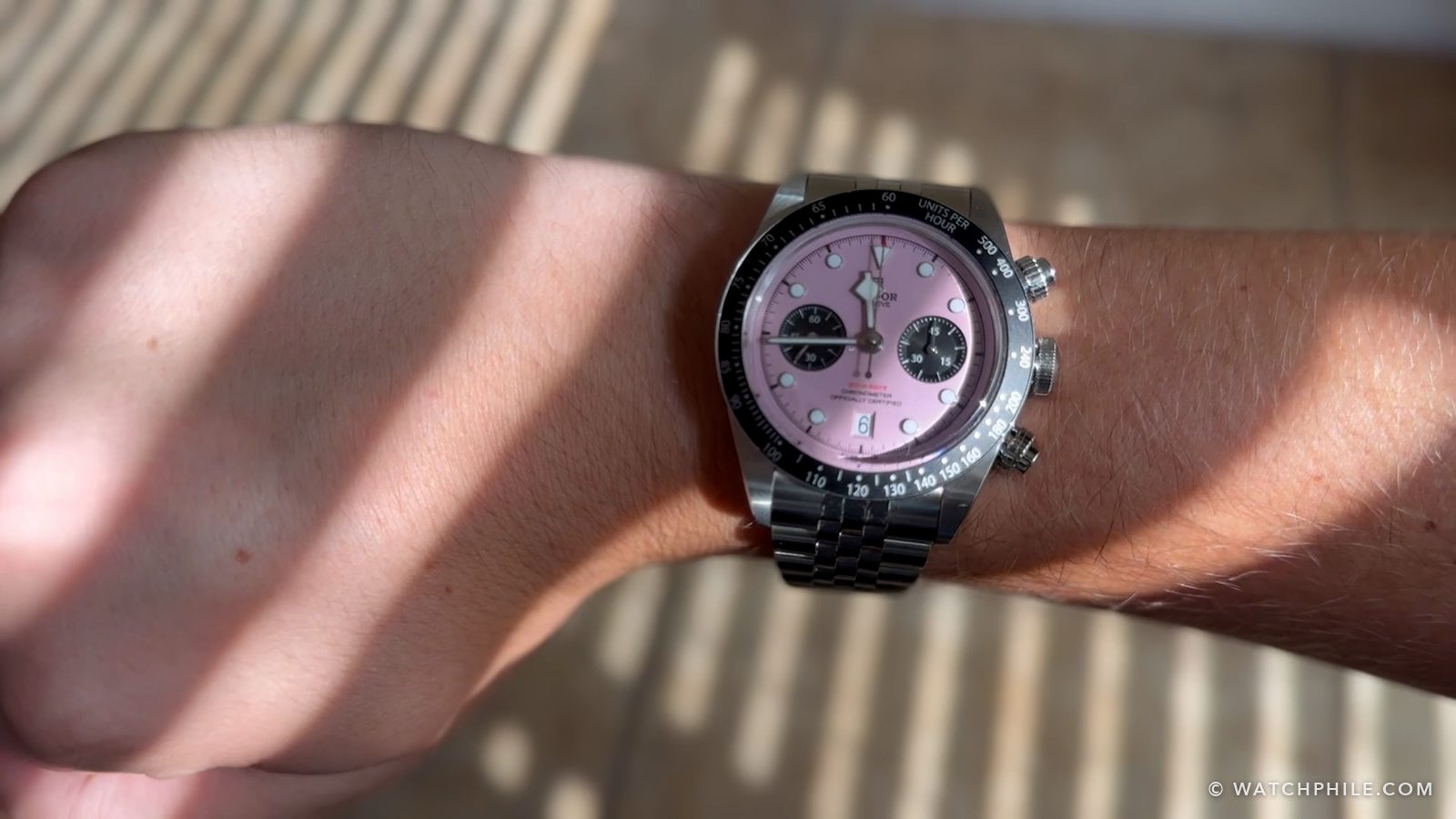
I also think brands like Tudor can play an important role in that journey. Not because they're “required,” but because they allow both you and the AD to build a relationship. They show that you're genuinely interested in watches and not just walking in for the hottest Rolex reference.
Collectors vs. Flippers
Another reality is that ADs are constantly trying to identify collectors versus flippers. If you're buying watches and immediately selling them, that's going to raise questions.
Collectors tend to keep their watches, wear them, and build meaningful collections over time. That's the type of customer most ADs want to allocate their rarest pieces to.
The Reality: There Are No Guarantees
You may follow every piece of advice here and still not get the watch. You may walk into an AD tomorrow and get incredibly lucky. That's just the reality of the Rolex market. There are no guarantees.
But if your goal is to maximize your odds, this is the exact approach I would take based on my experience:
- Build a relationship.
- Buy watches you actually want.
- Communicate clearly.
- Be realistic about demand.
- Have a story.
- Be a collector, not a flipper.
And most importantly, enjoy the journey. Because sometimes the watches you pick up along the way end up being just as memorable as the one you were originally chasing.
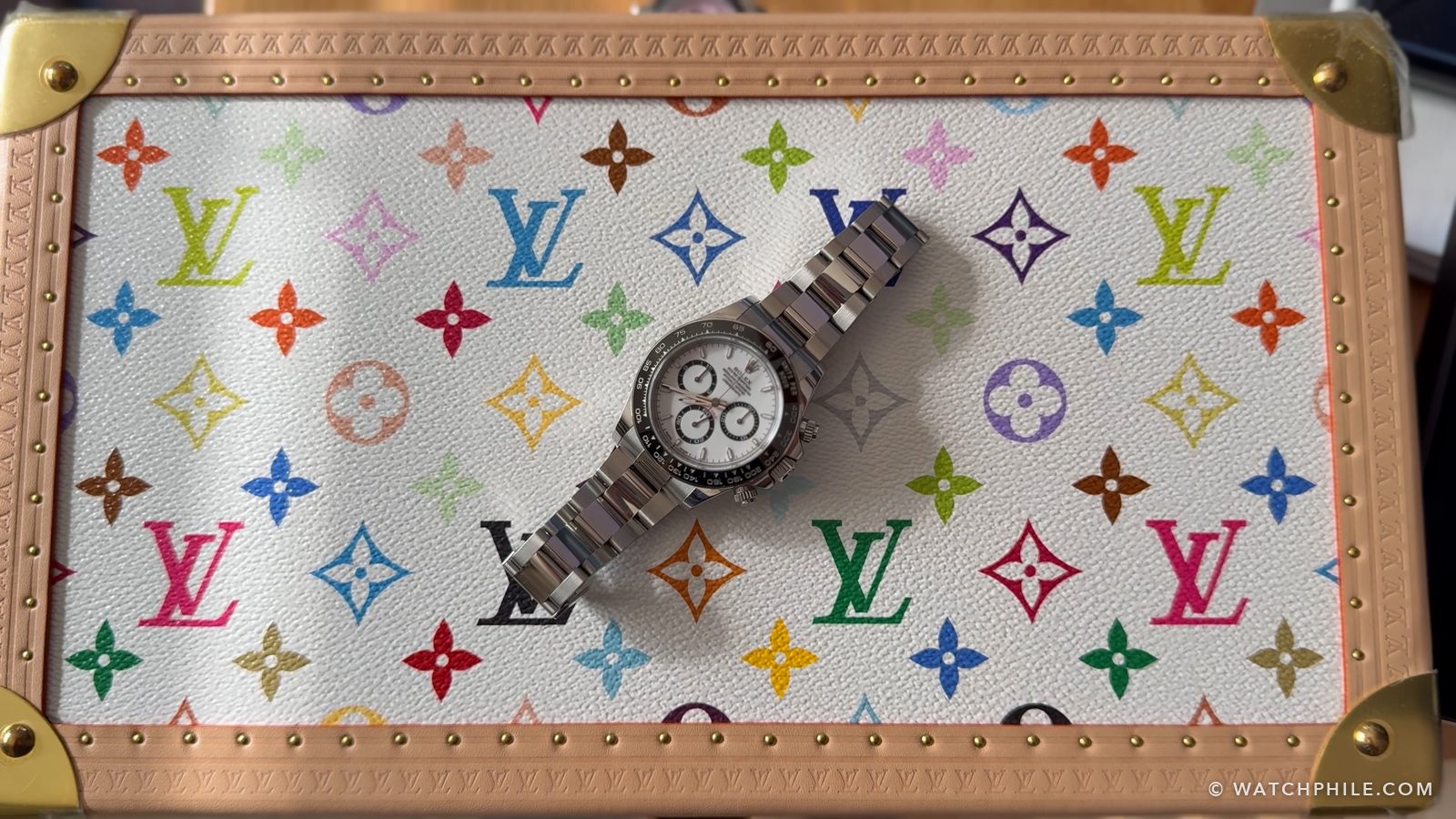
I'd love to hear your experience. What's the hardest Rolex you've gotten at retail? Or what watch are you currently waiting for? Let me know in the comments on the video. I'm always happy to talk watches.
And if you're curious about the full story behind how I eventually got the call for my Daytona Panda, read my Daytona retail journey, where I break down the timeline, purchase history, spend history, and everything that led up to getting the call.
For a useful contrast, my Audemars Piguet retail journey covers a boutique-run allocation process that felt very different from the Rolex AD experience.


